This program offers you an excellent opportunity to enjoy and discover one of the most biodiverse regions in the world, the Manu National Park. It is located in the southeast of Peru, extending from 300 meters above sea level at the confluence of the Manu River with the Alto Madre de Dios River, up to 3,800 meters above sea level on the summit of the Apu Cañajuay mountain.
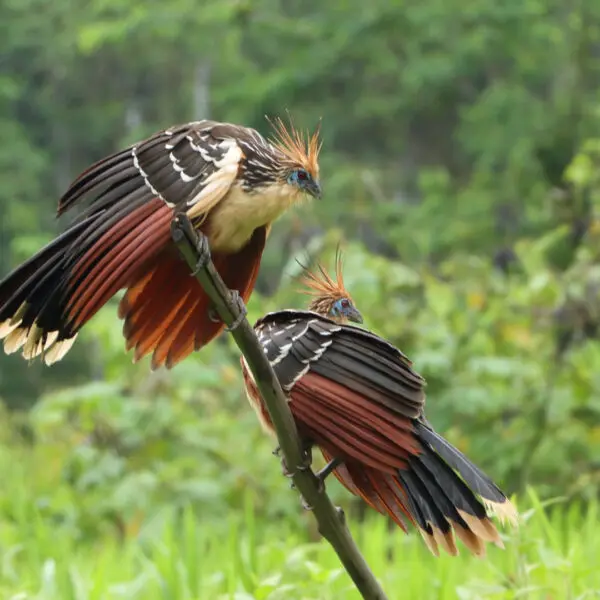
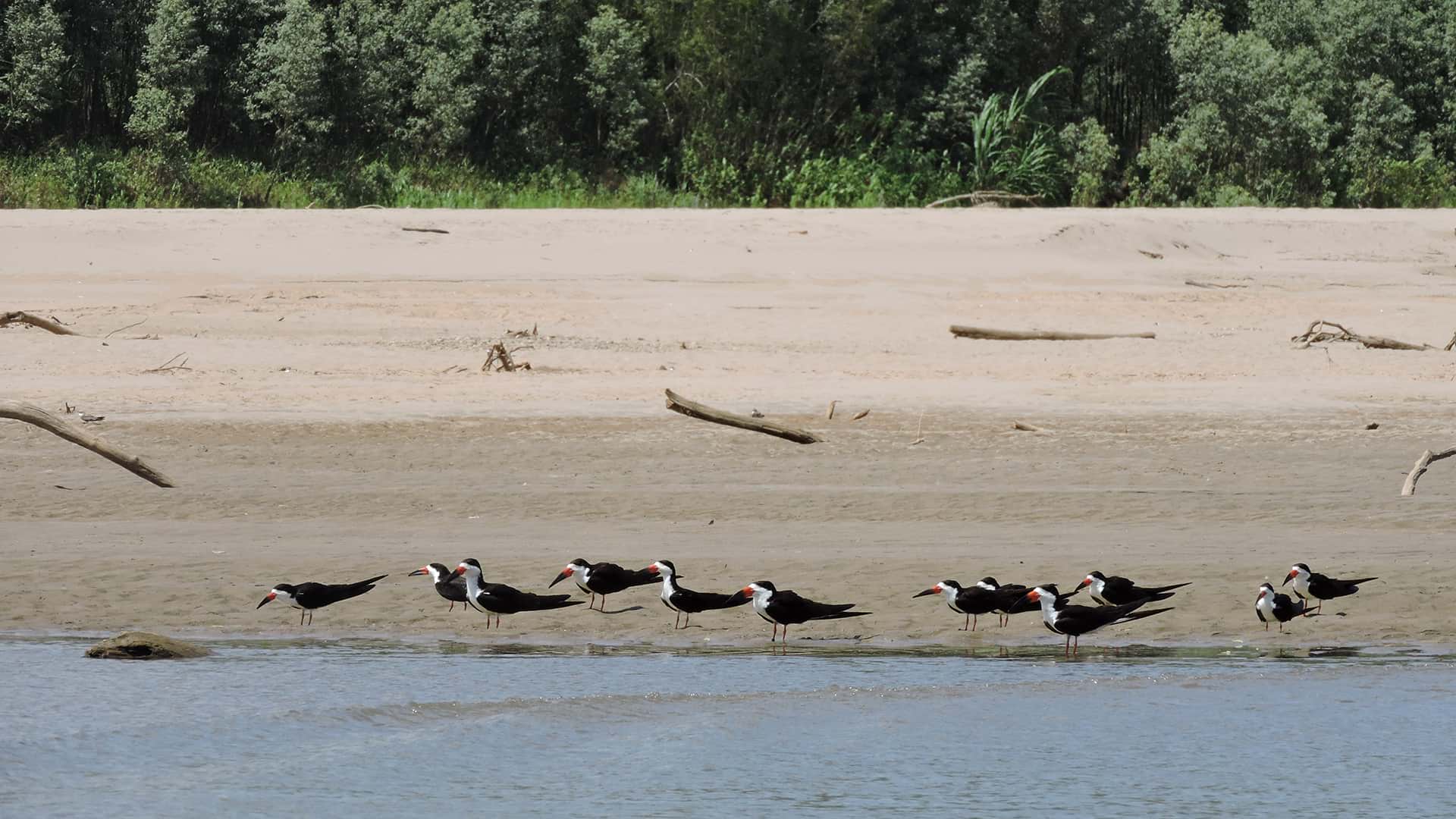
The biodiversity that can be found in Manu National Park is incredible. More than 20,000 types of plants, 1,200 types of butterflies, 1,000 species of birds and 200 species of mammals call this forest their home. The jaguar is undoubtedly the most mysterious of all animals living here. The Manu National Park is also the territory of various ancestral peoples, all of them having their own language, customs and traditions. These peoples and their unique way of living have survived to our times. Manu is even recognized by UNESCO!
Please note: all programs in the jungle may have slight variations, depending on the reports of our experienced guides and weather conditions. By operating in this way, we try to maximize the observation of wildlife and enhance your experience to explore the heart of Manu.
The day before leaving, we would also like to have a small briefing with you in your hotel at around 6 pm. We will contact you to see if this time suits you or if we have to fix another moment. Of course, you will get to ask all your open questions during this briefing.
Heading into the enchanting realm of the jungle during the rainy season (December – March) can be quite the adventure, yet there are a few things eager explorers should keep in mind. While the lush landscapes of the Manu rainforest are tempting, tours in this area sadly take a pause due to the heavy rains, making it a bit tricky to explore to your heart’s content. But hey, don’t let this dampen your spirits! When one door closes, another opens, and in this case, it leads to the spectacular Tambopata.
For the wanderlusting souls yearning for an unforgettable jungle experience, Tambopata opens its arms wide, beckoning with its biodiversity and vibrant ecosystems. Even during the rainy season, our tours in Tambopata are in full swing, offering you a magical escape into nature’s lap.
If you want to experience Manu, but feel like 6 days might be a bit long for you, we offer other Tours in Manu that are a day or two days shorter. You can also have a look at all of our Amazon Jungle Tours, where you will find not only these shorter versions, but also tours in Iquitos and Tarapoto.
Did you notice that this tour has one of the highest Sustainability Scores of all? Click here to see all tours that have a Score of 60 or more!
Price Includes
What to Bring
Note: During meals in the dining room you can wear casual clothing and shoes or sandals. We provide rubber boots for walks in the rainforest.
Pick-up time: 05:00 to 5:15 AM
In the early hours of our journey, we will visit the chullpas of Ninamarka, ancient pre-Inca funerary precincts. From there, we’ll continue to the picturesque colonial town of Paucartambo—once a vital commercial hub during the Inca era, connecting the Kosñipata Valley (your upcoming destination) with Antisuyo, the jungle region of the Inca Empire, and the capital of Tahuantinsuyo, Cusco.
Next, we’ll venture into the lush cloud forest, where the mighty Andes transition into the Amazon. We will ascend to the Acjanaco Pass (3,550 masl), the gateway to Manu National Park.
Throughout the journey, we’ll make several stops to uncover the secrets of the cloud forest—the kingdom of giant ferns.
Then, we will continue our journey until we arrive in Villa Salvación, the capital of Manu Province, where we will spend the night.
Meals included: Breakfast, box lunch, dinner
Transportation: private car Cusco-Villa Salvación
Estimated arrival time: Between 5–6 PM
Note: the day before departure, we offer a briefing at your hotel around 6 PM. We will reach out to confirm this time or adjust if needed. Of course, this will also be an opportunity to address any questions you may have.
Early in the morning, we depart from Villa Salvación aboard a motorized boat, heading toward the Limonal Ranger Station, where we will register our entrance to Manu National Park.
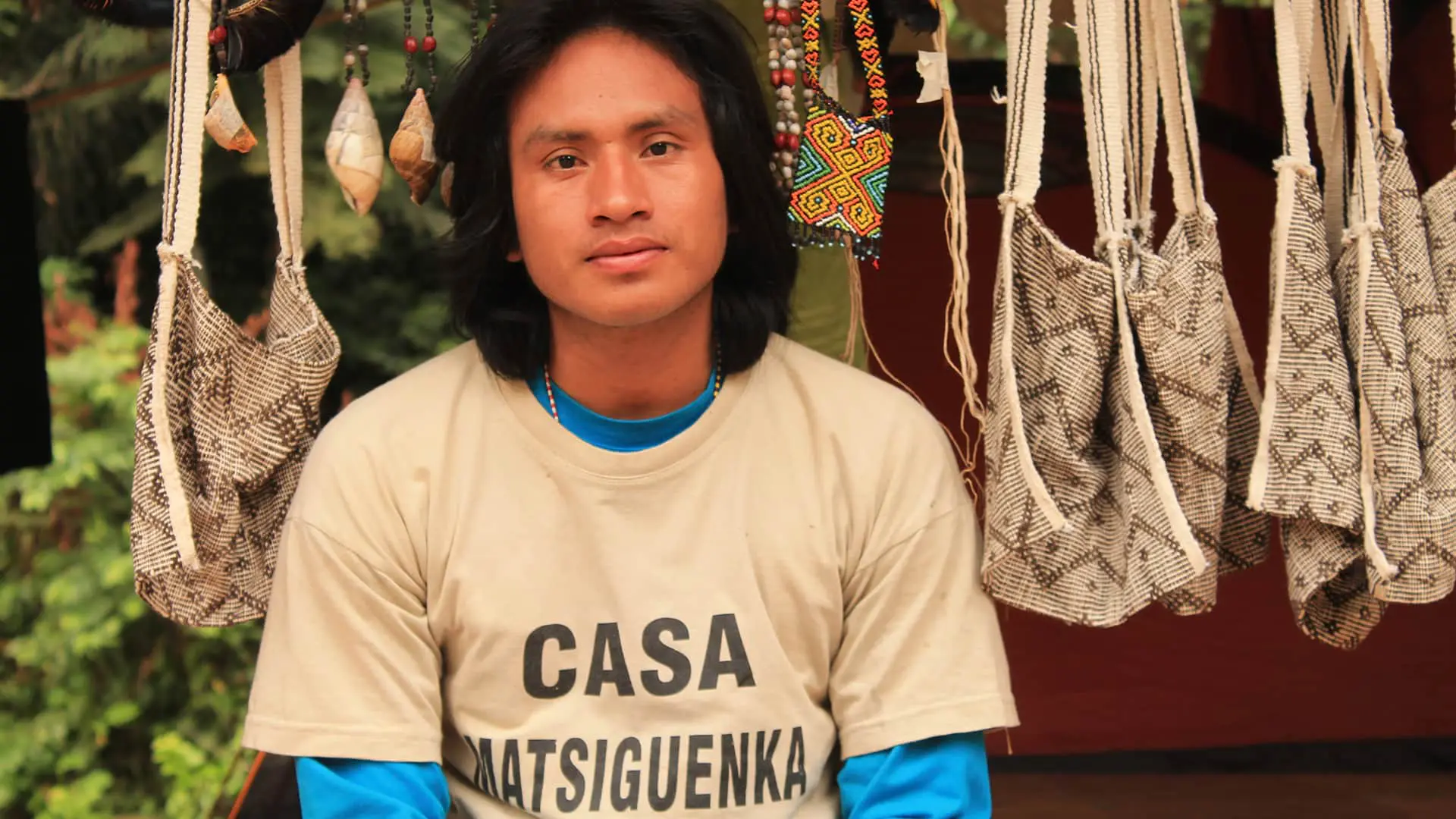
As we continue our journey, we spend approximately five hours traveling, taking in the rich biodiversity of the region, before arriving at Casa Matsiguenka Lodge.
If time permits, we will take a short walking tour, offering our first immersive experience in Manu’s untouched jungle before dinner.
All meals included
Transportation: private motorized boat Villa Salvación-Casa Matsiguenka Lodge
On this day, we will visit Lake Salvador. Now you can really explore the heart of Manu. The lakes (called cochas) are assembly points of much of the Amazonian fauna. For example, a family of giant river otters (Pteronura brasiliensis, an endangered species) dwells here.
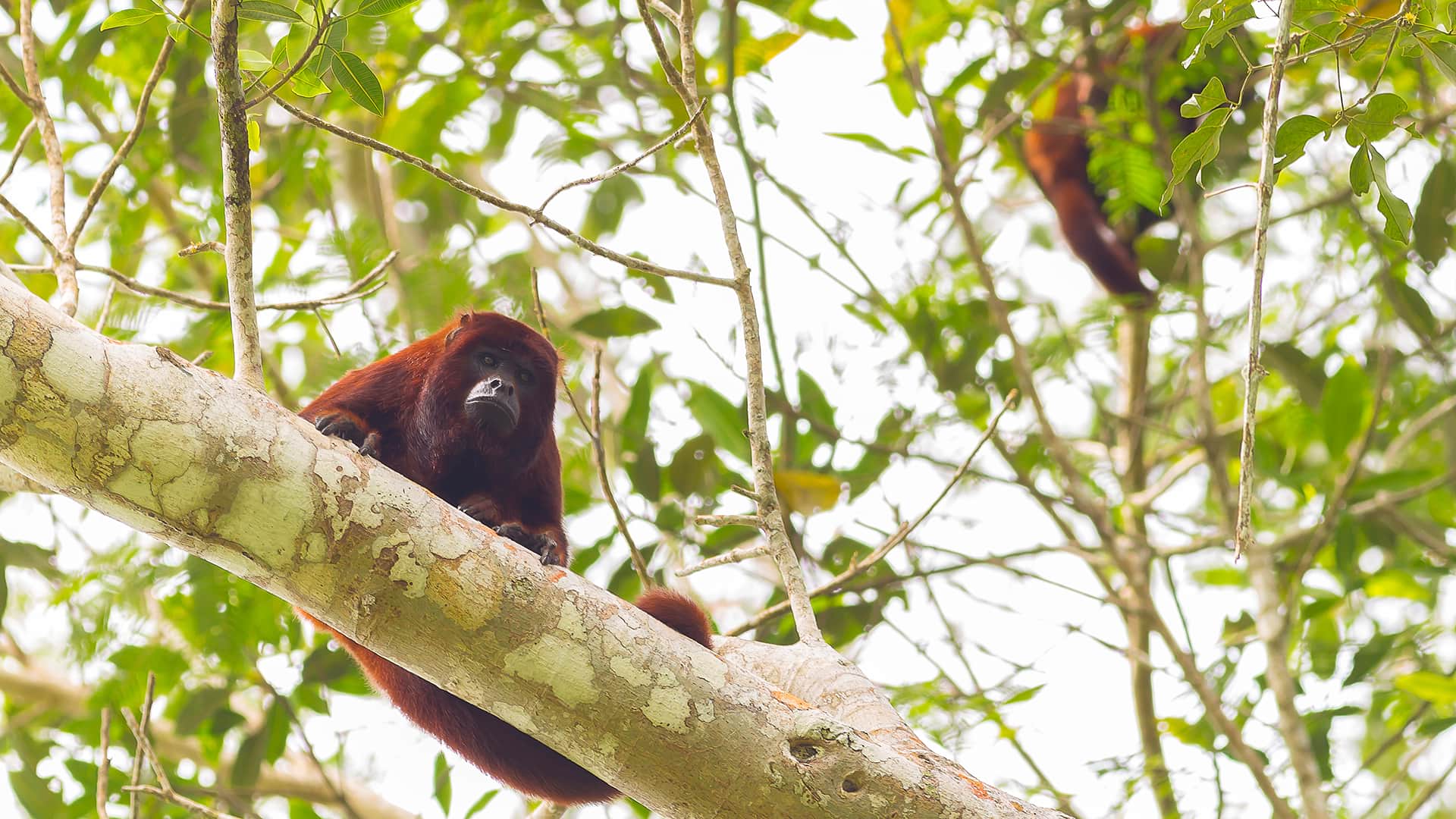
Later, we will explore some jungle trails, where we will have a great possibility to see one or more of the thirteen kinds of monkeys, many birds and butterflies. Once the night has fallen, we will go back into the jungle, searching for night creatures using our flashlights. Our lodge for this night is the Casa Matsiguenka Lodge again.
Please note: the authorities of the Manu National Park establish the schedule for our visit to the cochas. Depending on this schedule, we will visit them earlier or later during that day.
All meals included
Transportation: private boat during lake visit
Activities: day and night walks, boat ride
After breakfast, we will visit the Lake/Cocha Otorongo, one of the largest oxbow lakes in Manu. Here, we will go up a 20 meters high observation tower, offering us a panoramic view of the lake.
Then we will go on a walk through the primary forest, where we will have the opportunity to observe a great variety of flora and fauna. The ‘woolly’ monkey (Lagothrix lagotricha) lives in this part of the jungle. After lunch, we will go out again to explore the forest through the trail system of the park.
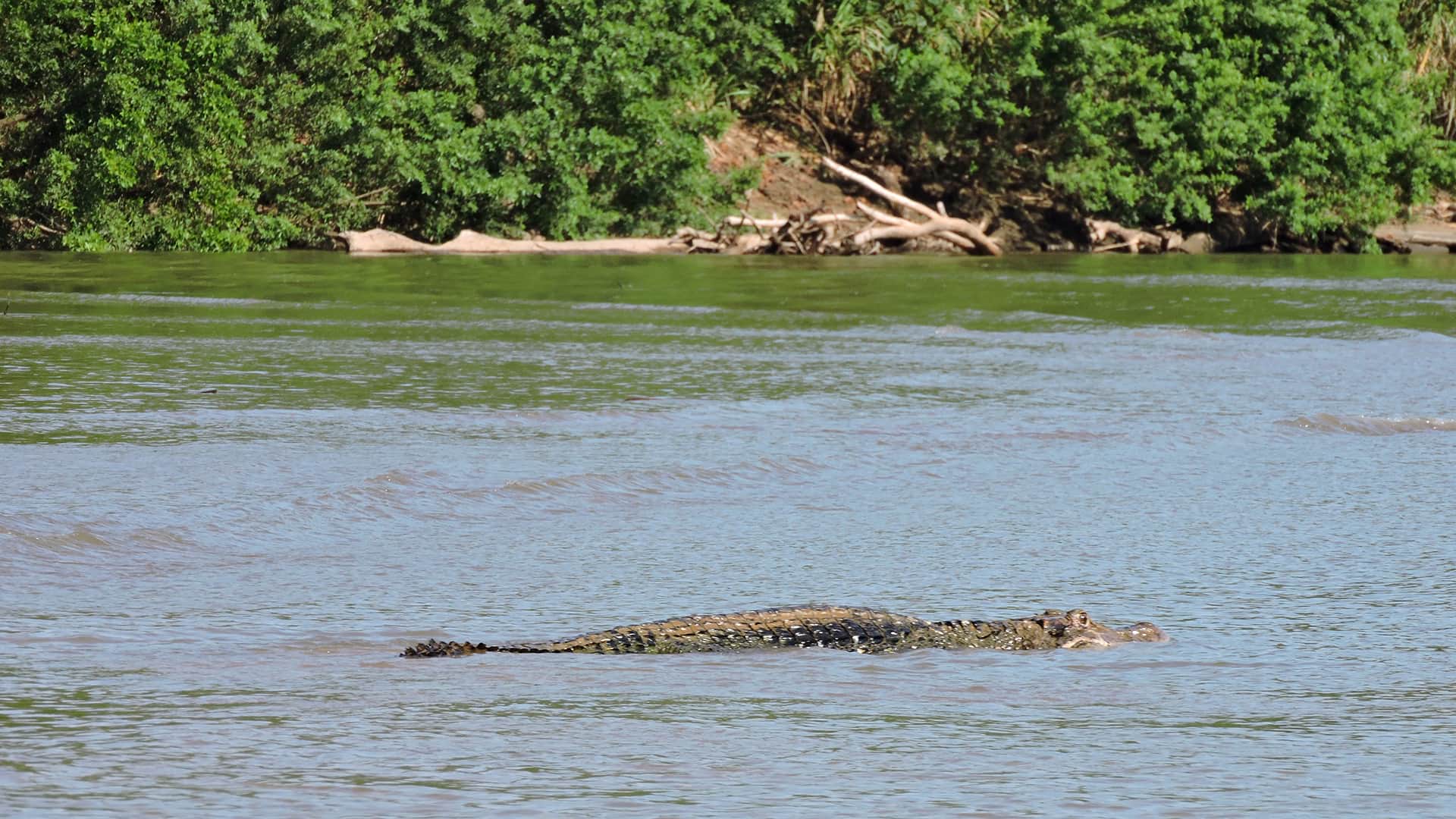
At night we offer you to take a boat ride in search of caimans and other wildlife by the river bank. Please be aware that this activity can be done only if the level of the river allows it. Then, we will head back to our lodge (Casa Matsiguenka) to get some good night sleep.
All meals included
Activities: day walk, night boat ride (if possible)
Early in the morning, we set off by boat toward the Native Community of Shintuya, arriving in the afternoon. Upon arrival, we’ll gather around a campfire and enjoy a traditional dinner featuring yuca and other local delicacies. This is a wonderful opportunity to share experiences with the Harakmbut people of Shintuya.
For those interested, an optional soak in the thermal pools (included) offers a chance to unwind before settling in for the night at Aguas Calientes Lodge.
All meals included
Transportation: private boat ride
On our last day, we will have breakfast and then get back on the boat to make our way to the port.
Then we will take the road to Cusco and on arrival we will drop you off directly at your hotel (arrival time between 7 or 8 pm).
Thank you for exploring the heart of Manu with us!
Meals included: breakfast, snack
Transportation: private car to Cusco

We contribute to local development by generating jobs and by strengthening the work of local tourism organizations.
Within our organization, we employ local guides from native communities, such as Tayacome, Yomibato and Shintuya, who are trained by the SERNANP (national service for natural protected areas). We also carry out a reforestation program to recover the forest, and we encourage more areas to do the same, with the aim of creating microbiological corridors. You will also get to plant your own tree in Manu!
Part of your money paid for this tour will also go to donations for the communities, which they use to buy school material for the children.
Quick movements and loud noises are stressful to animals. Considerate travelers practice these safety tips:
I was born in Cusco, and from a very young age, I was taken to the jungle of Manu, where I learned to connect with and respect nature. On some occasions accompanying my father on his trips to the native communities, I learned how the villagers live in harmony with the forest, they do not realize it, but they have a deep connection with the jungle, which we outsiders would like to have.
When you understand how important it is to take care of and conserve nature, you want to share this feeling and what better way to do it than by doing tourism. What motivates me is to share what you have lived and know about the rainforest.
Since 2012, I am with Impactful Travel (formerly known as RESPONSible Travel Peru) because they live and feel that tourism is a way by which we can make development while conserving and sharing with visitors. I like to be part of this Impactful tribe.
The accommodation is very basic in Manu, so please don’t expect luxury. But they are comfortable enough for our clients for a few days and they are hosted by native communities. You will get a real jungle experience here, which in fact is highly interesting.
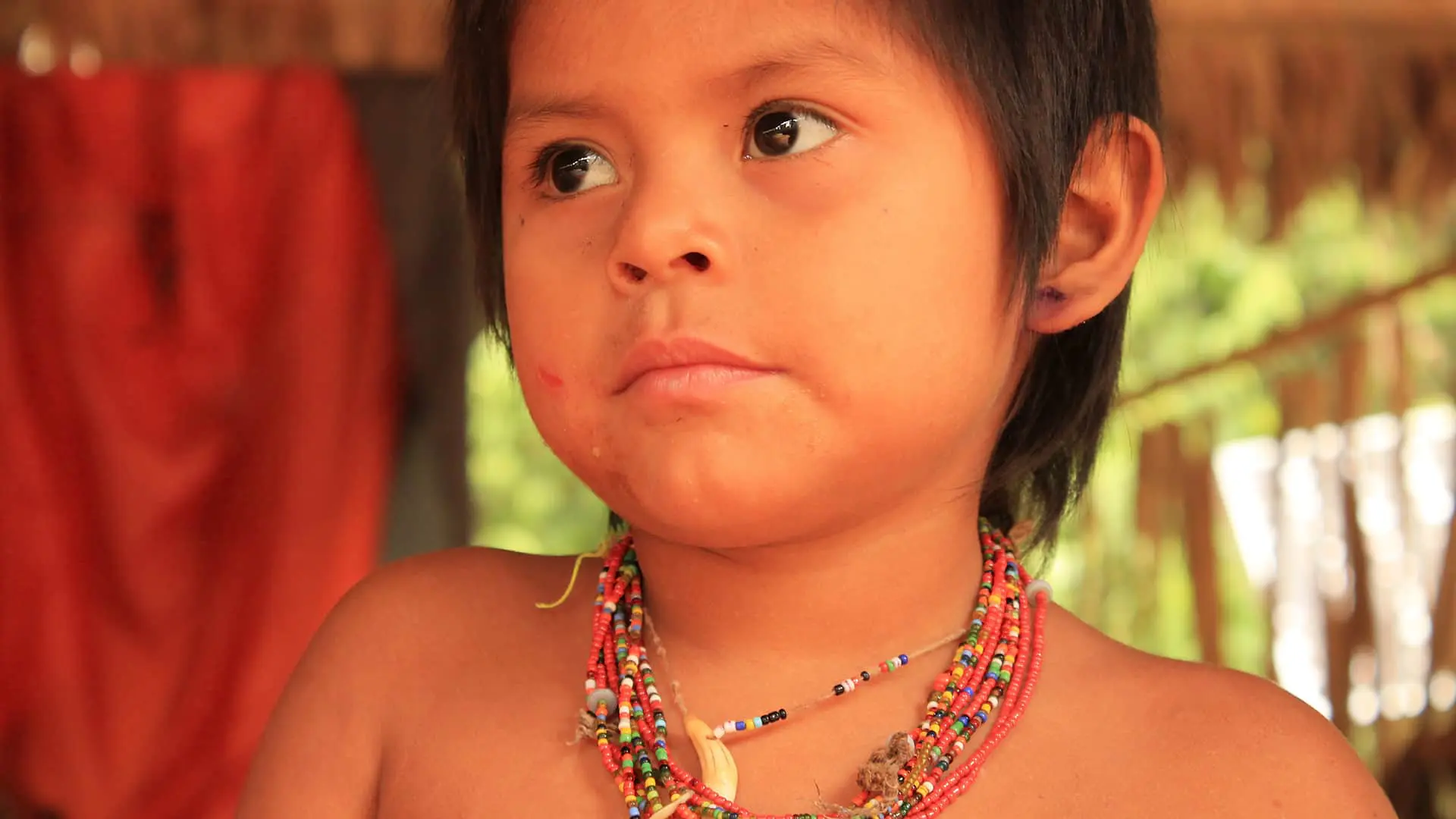
This is a great question, a tricky one by the way. Let’s say that when visiting Matsigenka communities you will hear Matsigenka (probably the most widespread language in the region), when visiting Harakmbut people you will hear Harakmbut and you might even notice the difference. And of course, if you stay in the highlands of Manu, like Paucartambo and Quero villages, Quechua is the mother tongue. An extra bit of information is that there are so many languages in the Amazon region in general, that it is a limitation when (the not frequent but likely to happen events of) getting in contact with voluntary isolated tribes that speak nothing like we know.
On the way to Manu you must be prepared for cold temperatures experienced in the mountain pass. Later on hot and humid conditions are more or less the rule, but again, rainy days can lower the temperatures quite a lot, or extraordinary events called “friaje” or Antartic winds could ruin your plans of sweating the hell out of you.
Find more info about climates in Peru in our blog “Best Time to Travel to Peru“.


Example of the kind of boat used to go from Villa Salvación to the Casa Matsiguenka lodge and back
Visit a travel doctor who can give you professional advice on what vaccinations may be necessary. If you go into the Amazon jungle, a yellow fever injection is obligatory and malaria recommended as well as a shot for the common flu might be requested by the local authorities.
When you book “Exploration to the Heart of the Manu National Park” through our platform you will get a private excursion only for you and the other people you book with. But if you prefer to share costs and experiences with like-minded people, we will be glad to try to put you in a group with other travelers. For this, please get in contact with our Travel Designers directly.
During this “Exploration to the Heart of the Manu National Park” experience vegetarian options are definitely possible. However, we cannot promise you vegan options on this tour, as you are going deep down into the jungle. It would be great if you were a bit flexible for these few days. Please, let us know in the booking process if you have any food restrictions.
For questions about booking a tour, prices, preparation for your trip, health and safety or other themes, please check our Frequently Asked Questions page. If you can’t find your question & answer, email us and we’ll add it!