Travel can be so much more than ticking off sights. For a conscious traveler, every destination is a living story: a mix of ancient memories, present-day struggles, and everyday joys. The question is not just “What can I see?” but “What can I learn, and how can I show up respectfully?”
If you’re curious how this looks in practice, especially in Peru, you can dive deeper into our Community-Based Tourism in Peru: A Complete Guide and our overview of community-based tourism in Peru.
What Is a Conscious Traveler?
A conscious traveler is more than a visitor and less than a “savior”. You:
- Understand that your presence has an impact.
- Prefer real connection over staged experiences.
- See yourself as a guest in someone else’s home, culture, and land.
This mindset turns travel from consumption into relationship.

The Mindset: Curiosity, Respect, and Impact
Three simple principles can guide you almost anywhere:
Curiosity
Ask questions, listen to stories, and look beyond the obvious. Curiosity makes you notice details: who runs that small restaurant, who weaves those textiles, who guides you along the trail.
Respect
Every place is someone’s home. Respect shows up when you:
- Ask before taking photos of people.
- Dress and behave appropriately at sacred sites.
- Accept that not everything is “for tourists” or “for Instagram”.
Trips like Peru – The Local Way: Our Signature Trip are designed around this ethos: slow travel, time to listen, and real encounters with communities instead of rushed checklists.
Impact
Your choices matter: where you sleep, eat, and book your activities. Supporting community-based experiences, family-run businesses, and local guides helps keep culture and nature alive for the long term.
Finding Ancient Stories and Living Traditions
Ancient stories are not locked in museums; they’re in:
- The layout of a village or city.
- The patterns on a textile.
- The way people harvest, cook, or celebrate.
Before traveling, a bit of research on the history and Indigenous cultures of your destination turns you into a more attentive listener. In Peru, for example, understanding the Andean cosmovision makes any visit to the Sacred Valley or a local community far richer than just “beautiful views”.
Living traditions are where the past and present meet: a festival, a family kitchen, a weaving workshop, a ceremony. You don’t need to understand everything. What matters is to show up with humility and a willingness to learn.
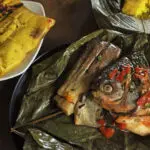
Food is one of the easiest and most beautiful bridges. On our Peru Culinary Tour: From the Amazon to the Andes, you don’t just taste dishes; you meet the people, landscapes, and stories behind them.
Practical Ways to Travel More Deeply (and Responsibly)
You don’t have to change everything about the way you travel. Small, conscious choices already make a big difference:
1. Choose Where You Stay With Intention
- Opt for locally owned guesthouses or lodges.
- Give a try to Community-based homestays (our favorite choice).
- Finally, if none of the previous are available, go for small hotels that work closely with local staff and suppliers.
These places keep your travel money close to the community and usually open more doors to meaningful encounters.
2. Walk, Pause, Observe
Explore on foot whenever you can. Slow down, sit on a plaza bench, watch how people move, greet your neighbors at the hotel or homestay. The more you mirror the local rhythm, the more you feel the real “heartbeat” of a place.

3. Support Local Food and Craft
Eat at local markets, small restaurants, and street stalls where it’s safe to do so. Buy crafts directly from artisans and ask about the meaning behind what they make. It’s a simple way to honor their work and identity.
4. Travel With the Right Kind of Trips
Carefully designed itineraries help you avoid common pitfalls and connect with the right people. For example:
- In Peru, Peru – The Local Way: Our Signature Trip is built around homestays, local guides, and community experiences.
- In Costa Rica, Hidden Communities of Costa Rica and Discover Authentic Costa Rica – The Local Way take you beyond the usual beaches into rural, community-run projects.
These kinds of routes are not “poverty tours”; they’re respectful collaborations where everyone benefits.
…[In particular we appreciated the knowledgeable local guides who shared with us their stories and the history of their culture and traditions. We loved the diverse experiences of seeing local markets, experiencing local cuisine, and cooking classes etc…]
by gravitycaroline
Turning the Mindset Into Your Own Trip
All of this sounds nice in theory, but travel becomes conscious when you actually design it that way.
If you’re dreaming of Peru, you can start shaping your own route here and we’ll help you make it truly impactful:
👉 Build your trip in Peru
If Costa Rica is calling you, we can co-create an itinerary with communities, nature, and slow travel at its heart:
👉 Build your custom trip to Costa Rica
From there, together we make sure your journey respects local cultures, supports communities, and gives you the kind of deep, story-filled travel you’re looking for.

About This Article: Human Experience + AI Support
Alejandro
This article was created with the help of AI, but it is firmly grounded in our human experience:
It’s based on our team’s inputs and values at Impactful Travel.
It reflects what we’ve learned working with local communities and partners since 2012.
It draws on our deep, on-the-ground knowledge of Peru, Costa Rica, and the regions where we operate.
We use AI as a writing assistant to organize ideas and improve clarity, never to replace our own criteria, ethics, or relationships with communities. Every trip we design—and every piece of content we publish—is reviewed and shaped by real people who know these countries, their cultures, and their challenges intimately.