We created a list of the top 10 reasons to travel to Manu National Park; one of our favourite destinations for an amazing jungle tour in Peru. If you don´t know exactly what to expect from this natural wonder, this article is made for you.
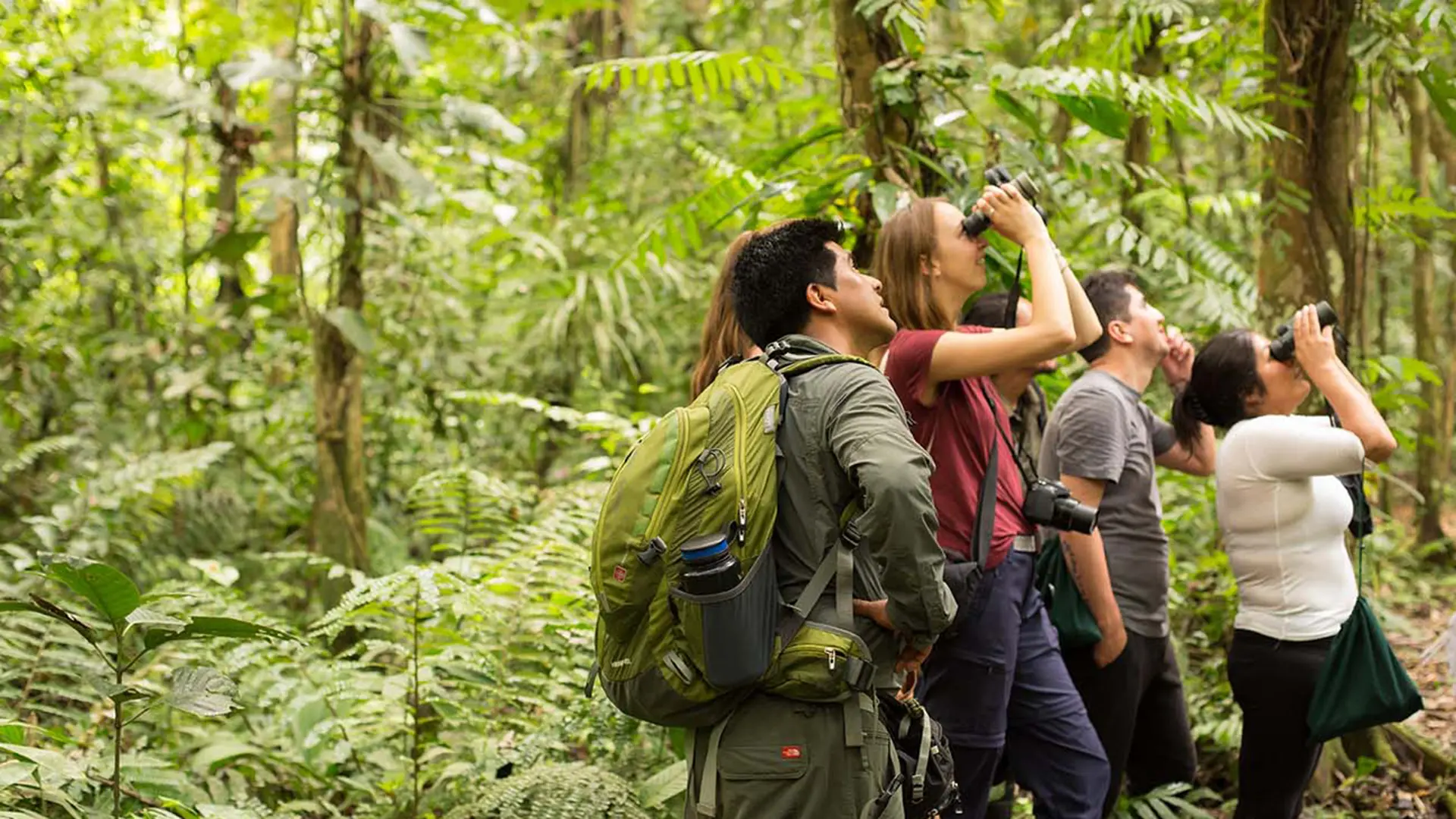
FIRST: Manu is one of the most biodiverse places on earth
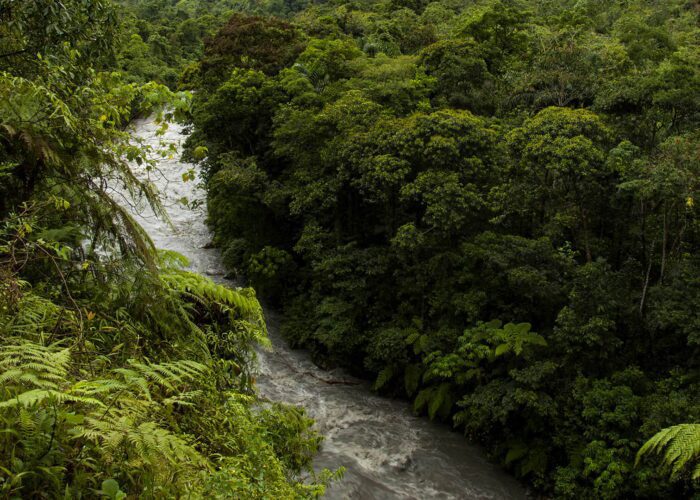
The Manu National Park is one of the natural areas with the richest biodiversity in the world and most of its territory is protected under the highest category: National Park. Its biodiversity encompasses diverse ecosystems, such as the Puna, the Cloud Forest, the High Jungle and the Amazon Basin.
SECOND: Manu (should be) one of the 7 natural wonders of the world
As is home to 20,000 plant species, 1,000 bird species, 222 mammal species and a large number of yet to be defined species of reptiles, amphibians, fish and insects.
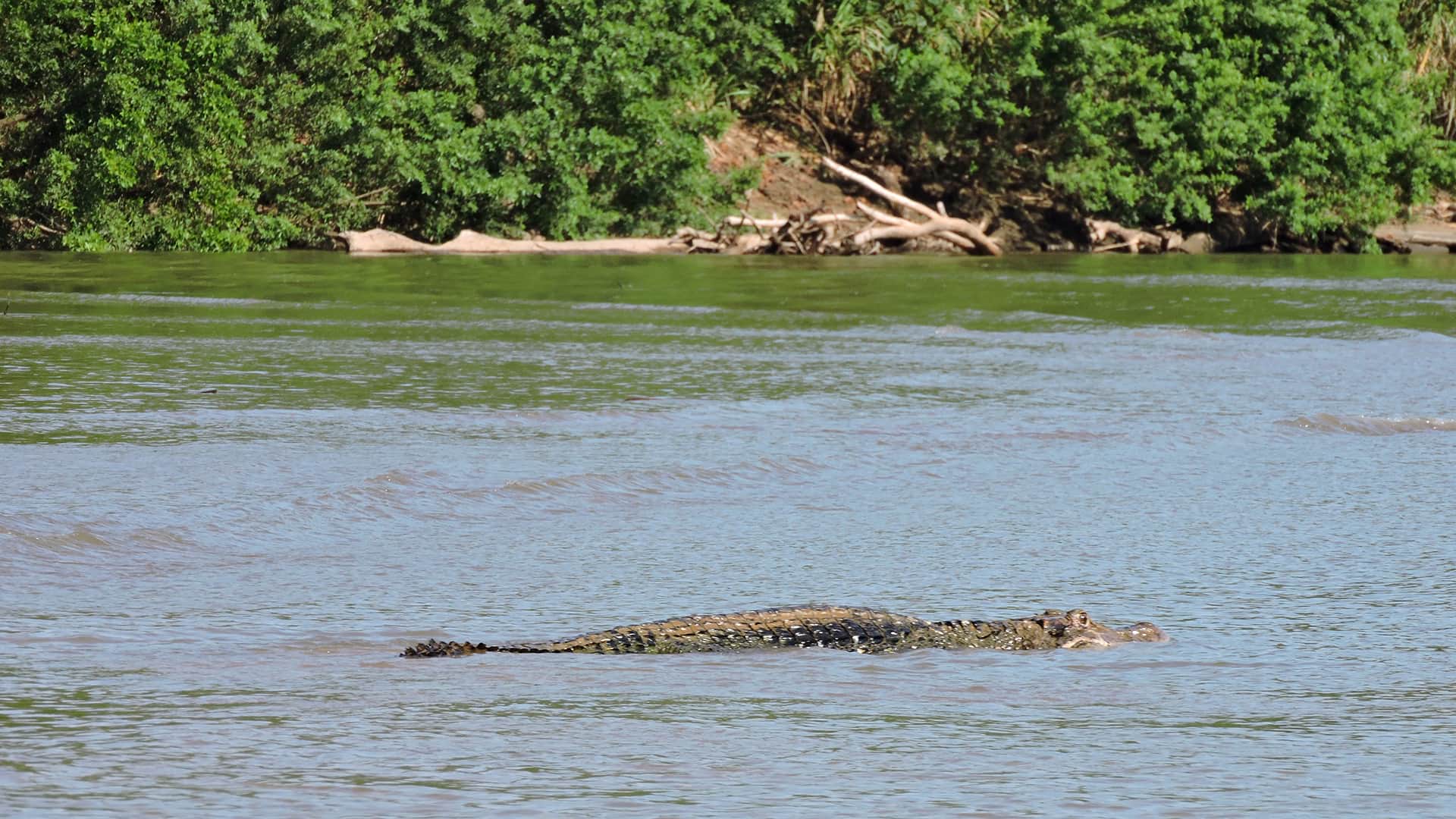
THIRD: In Manu you can spot rarely seen species
In Manu, it is possible to observe endangered species more frequently than in other protected areas, such as the giant otter or large black caimans. You also get the chance of spotting other species normally difficult to see, such as the jaguar and tapir.
FOURTH: The journey from Cusco to Manu is worth it
The way from Cusco to Manu is one of the most spectacular routes in terms of nature and landscape, which change constantly. Mountain valleys, fairytale villages like Paucartambo with its beautiful river Mapacho, Puna, snow-capped mountains, cloud forests and the high and low jungle. Do not forget to take some beautiful pictures.
FIFTH: The road is a birdlover´s paradise
The route to Manu, globally known as the Manu Road, is considered by birdwatchers as one of the Top 10 in the world: a great diversity of bird species can be seen as the road descends through various ecosystems.
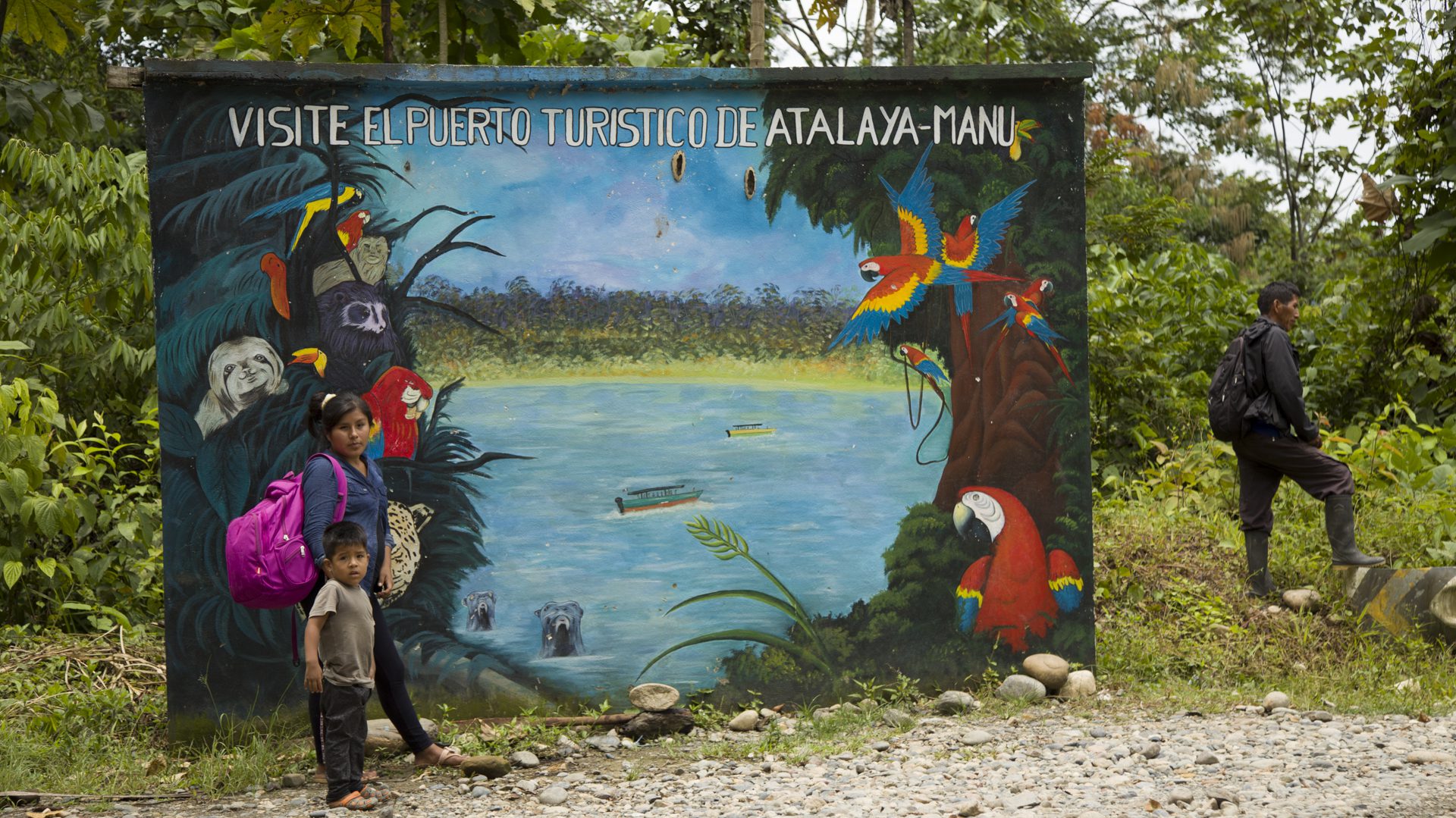
SIXTH: Manu is a World Biosphere Reserve
UNESCO declared Manu as a World Biosphere Reserve. This means that there is a sustainable interaction between the natives and the natural resources of the various ecosystems that must be protected and promoted to favour conservation and development.
SEVENTH: Local ethnic communities are grateful for your visit
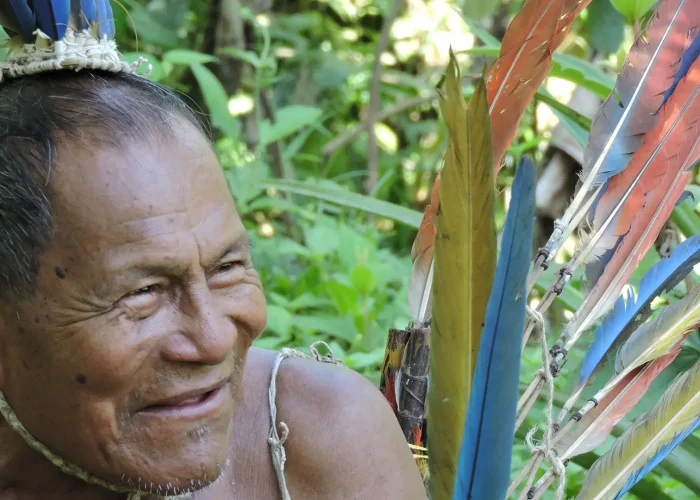
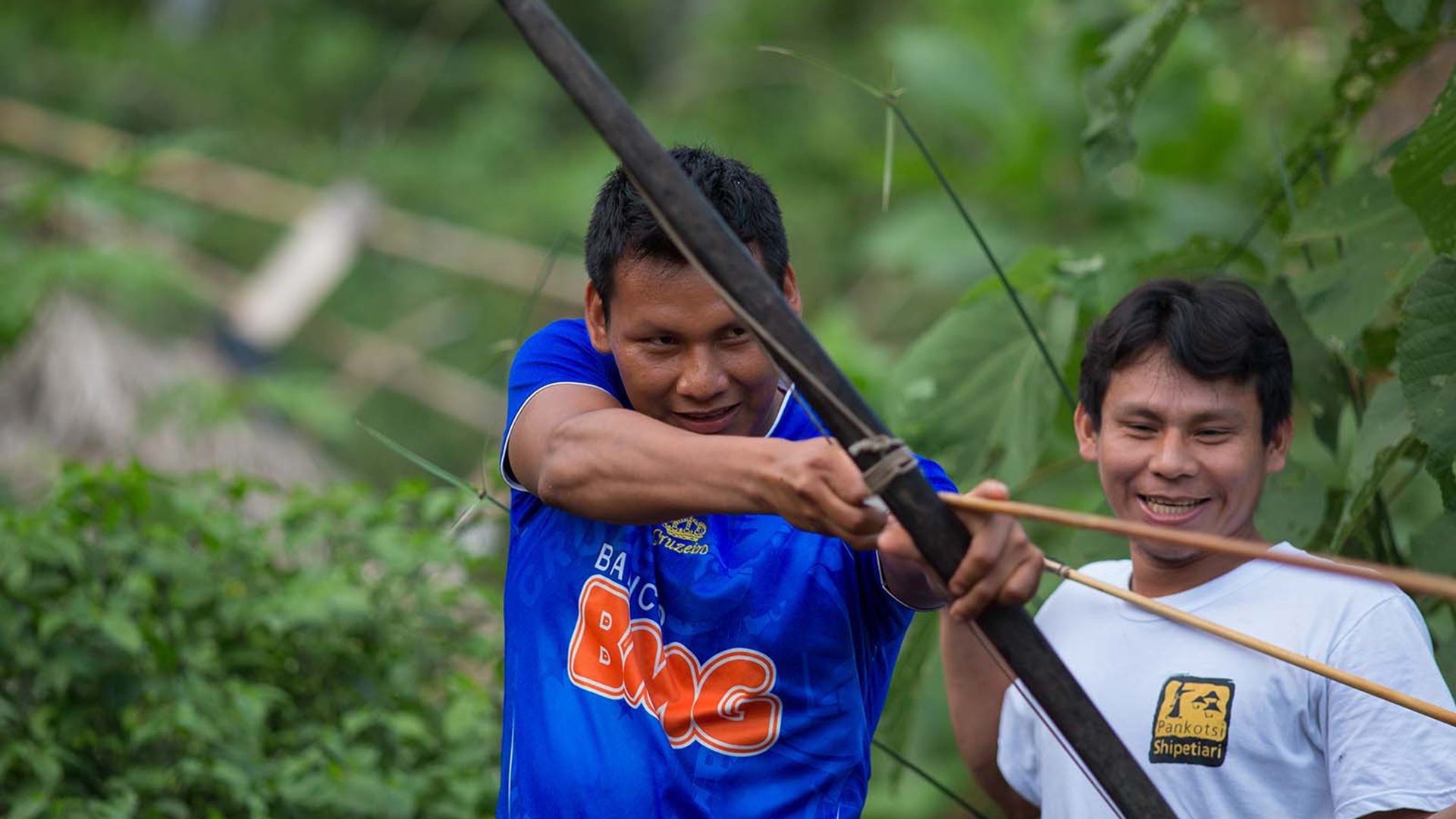
Manu is inhabited by various ethnic groups that protect their jungle. Some of them, like the Huachipaeris and the Matsiguenkas, nowadays focus on sustainable tourism as an economic alternative and means for protecting their ancestral jungle. They offer programs to show travellers the jungle through their eyes.
EIGHTH: Protecting Manu means protecting its nomadic tribes
Manu is one of the last refuges on the planet for natives who have no contact with civilization. These nomadic tribes live solely from the resources obtained from the jungle. It is difficult to meet them and avoidance is recommended, but in case of an encounter, you have to respect their voluntary isolation and maintain distance.
NINTH: Manu offers stunning sunsets
From the viewpoint of Tres Cruces, at the entrance of the Manu National Park, you can observe a natural phenomenon: when the sun rises in the east at dusk, it reflects in the clouds above you and gives you the impression that you are looking at a sunset over a giant ocean.
TENTH: Manu teaches us to take care of our beautiful country
The time has come that the whole world, and especially the Peruvians, get to know the wonderful country in which they live and be proud of it, and thereby be united in a common goal: to protect our natural resources and make use of its vast potential for the sustainable development of the country.
Now that you’ve read through our 10 reasons to travel to Manu National Park, are you ready to travel? Browse through all the tours we have crafted to explore Manu and please share this information with like-minded travellers.
If you haven’t found what you are looking for yet, feel free to contact our Travel Designers so they can create the right itinerary specifically for you.
By Tito Cornejo